


Teamwork Skills: The Key to Building Dream Teams

Teamwork has evolved from a “nice to have” to a core strategic element essential for organizational success. The global shift toward hybrid and remote work has transformed how teams operate, requiring collaboration across time zones, cultures, and digital platforms. The more complex and interdependent the tasks, the stronger the teamwork needed. 

Today, effective collaboration is a decisive driver of business performance, fueling innovation, problem-solving, and strategic execution. In short, teamwork has become a key competitive advantage.

teamwork-skills

Content

A 2023 McKinsey study highlights the tangible impact of strong teamwork: companies that excel at teamwork are five times more likely to achieve significant performance improvements and three and a half times more likely to outperform competitors in innovation. This underscores a powerful truth: a team’s success is directly linked to the strength of its teamwork skills.

Teamwork skills cover a broad spectrum of interpersonal, communication, and collaborative abilities. They include active listening, conflict resolution, adaptability, accountability, problem-solving, and more. Unlike individual competencies, teamwork skills are relational—they develop through interaction, shared experiences, and environments that foster trust, inclusion, and transparency. Cultivating these skills enhances productivity, project outcomes, employee engagement, and job satisfaction.

Developing strong teamwork skills not only boosts productivity and project outcomes; it also enhances employee engagement, reduces friction, and improves job satisfaction. Yet modern teams face unique challenges: different time zones, fragmented communication, cultural diversity, and the risk of digital overload. This makes it essential to equip employees with both the right skills and the right tools.

That’s where solutions like eXo Platform, an all-in-one digital workplace and collaboration suite, come in. By centralizing communication, knowledge sharing, task coordination, and community engagement, platforms like eXo help teams work smarter, stay aligned, and build strong collaborative habits — no matter where they are located.

In this article, we will explore 25 essential teamwork skills, why they matter, how to develop them, and how modern digital tools — especially eXo Platform — can empower teams to collaborate more effectively in a constantly evolving work environment.

🤔Why Teamwork Skills Matter: Benefits & Impact

Before exploring how to develop teamwork skills, it’s crucial to understand why they matter. Effective teamwork isn’t just about getting along—it drives tangible benefits that impact both individuals and organizations.

🤝Better Collaboration and Synergy

Teams that communicate openly, share ideas, support one another, and coordinate their efforts consistently achieve more together than individuals working alone. Diverse perspectives within a team foster creativity, generate innovative solutions, and produce more robust outcomes. Studies from GrayGroup International and Indeed emphasize that teams leveraging these dynamics outperform those that don’t.

⚡Higher Productivity and Efficiency

Strong teamwork allows tasks to be divided strategically, leveraging each member’s strengths while minimizing duplication of effort. This approach not only accelerates task completion but also enhances quality. Tools like eXo Platform further amplify these benefits by streamlining collaboration and ensuring that team members can focus on high-value work rather than logistical coordination.

🧠Improved Problem-Solving and Decision-Making

Teams bring together a variety of experiences and viewpoints, which enriches brainstorming, analysis, and solution design. This diversity often leads to better decisions than those made by individuals working in isolation, a pattern supported by research from Aniday and Indeed. The ability to synthesize different perspectives is particularly valuable in complex or high-stakes projects.

🚀Enhanced Learning, Development, and Innovation

Working closely with others exposes individuals to new ideas, alternative working styles, and constructive feedback. This environment accelerates personal growth, stimulates creativity, and encourages continuous improvement. Recent studies show that individuals with strong social and “team-player” skills consistently improve team outcomes, especially in large or dynamic teams where coordination demands are high.

💼Stronger Cohesion, Trust, and Job Satisfaction

Teams that prioritize open communication, mutual respect, shared goals, and accountability develop trust and cohesion. These qualities reduce conflict, foster a sense of belonging, and enhance morale, retention, and engagement. Research from Evinex Corporation and GrayGroup International highlights that teams with strong interpersonal skills are not only more effective—they contribute directly to long-term organizational success.

🤏In short, investing in teamwork skills is not optional; it’s strategic. Effective collaboration drives productivity, innovation, and satisfaction, forming the foundation for sustained performance in today’s complex and interconnected workplace.
book-employee-engagement-cta-2
FREE WHITE PAPER

The Complete Guide to

Employee Engagement

Discover our in-depth analysis of the concept of employee engagement, its roots, and ways to improve it significantly

cta-rectangle-orange
FREE WHITE PAPER

Discover our in-depth analysis of the concept of employee engagement, its roots, and ways to improve it significantly

Teamwork Skills: 25 Skills that Drive Results

Building strong teamwork skills is essential for creating high-performing, cohesive teams. These skills enable individuals to collaborate effectively, navigate challenges, and achieve shared goals. Developing them requires conscious effort, practice, and a willingness to grow. Broadly, teamwork skills can be grouped into three categories: Communication & Interpersonal Skills, Task & Execution Skills, and Accountability & Leadership Skills.

Below, we explore 25 essential teamwork skills, why they matter, and how they contribute to stronger collaboration.

I. 🗣️Communication & Interpersonal Skills

Strong communication and interpersonal skills are the backbone of effective teamwork. They ensure clarity, build trust, and foster a positive, collaborative environment. Mastering these skills allows team members to express ideas clearly, listen actively, and work together efficiently, reducing misunderstandings and improving productivity.

1. 💬Communication

📖Definition:

Clear, concise, and timely exchange of ideas, expectations, feedback, and plans — verbally or in writing. Essential for coordination, alignment, and trust within the team.

🤔How to Develop:
  • Practice the “three C’s”: Clear, Concise, Courteous.
     
  • Use collaborative tools like Slack, Microsoft Teams, or shared documents to maintain structured communication.
     
  • Regularly summarize and confirm understanding in team meetings to avoid misalignment.
💡Why It Matters:
  • Teams with structured communication protocols complete projects 25% faster and experience 40% fewer misunderstandings (Harvard Business Review, 2023).
     
  • Clear communication is essential for coordination, alignment, and maintaining trust within the team.

2. 👂Active Listening

📖Definition:

Fully focusing on and understanding others’ messages, including verbal and non-verbal cues, and responding thoughtfully. Active listening ensures all perspectives are heard, fosters empathy, and reduces misunderstandings.

🤔How to Develop:
  • Paraphrase teammates’ statements before responding to confirm understanding.
     
  • Ask clarifying questions instead of making assumptions.
     
  • Minimize distractions during discussions, giving full attention to the speaker.
     
  • Practice reflective listening by summarizing key points during and after conversations.
💡 Why It Matters:
  • Teams practicing active listening show 28% fewer errors (International Listening Association).
     
  • Improves collaboration by ensuring all perspectives are considered.
     
  • Reduces conflicts and misunderstandings within the team.
     
  • Fosters empathy and stronger interpersonal relationships among team members.
     
  • Helps create a positive and psychologically safe team environment.

3. ❤️Empathy & Respect

📖Definition:

Understanding colleagues’ perspectives, emotions, and challenges while valuing their contributions.

🤔How to Develop:
  • Observe non-verbal cues and ask how others are feeling.
     
  • Put yourself in teammates’ shoes.
     
  • Offer support and recognition beyond tasks.
💡Why It Matters:
  • Teams high in empathy collaborate 37% more effectively (Academy of Management Journal, 2023).
     
  • Retain diverse talent 52% longer.
     
  • Reduces interpersonal conflicts.
     
  • Creates a more inclusive and supportive team culture.

4. ⚖️Conflict Resolution

📖Definition:

Addressing disagreements constructively to find solutions that benefit all parties. Conflict resolution ensures that differing opinions are handled calmly, maintains trust, and strengthens team cohesion.

🤔How to Develop:
  • Focus on interests, not positions, to identify common ground.
     
  • Use neutral language and remain calm during discussions.
     
  • Document agreements to ensure clarity and prevent misunderstandings.
     
  • Combine conflict resolution with honesty and integrity: admit mistakes, give candid feedback, and share challenges openly.
💡Why It Matters:
  • Effective conflict management reduces turnover by 41% (CPP Global, 2023).
     
  • Increases client satisfaction by 33%.
     
  • Builds trust within the team and with stakeholders.
     
  • Helps teams identify and solve problems faster (PwC Global Study).
     
  • Prevents misinformation, misalignment, and lingering tensions.

5. ✨Honesty & Feedback

📖Definition:

Transparent communication that includes giving and receiving constructive feedback to foster trust, growth, and continuous improvement within the team.

🤔How to Develop:
  • Own mistakes immediately and be transparent about challenges.
     
  • Use structured feedback models like SBI (Situation-Behavior-Impact).
     
  • Balance critique with actionable solutions and positive reinforcement.
     
  • Encourage feedback loops where all team members feel comfortable sharing insights.
💡Why It Matters:
  • Structured feedback improves team performance by 12.5% (Gallup, 2023).
     
  • Builds trust and psychological safety within the team.
     
  • Supports continuous learning and skill development.
     
  • Helps prevent miscommunication and recurring errors.
     
  • Strengthens collaboration and accountability among team members.

II. 🛠️Task & Execution Skills

Task and execution skills are essential for transforming ideas and plans into tangible results. They enable teams to organize, prioritize, and carry out work efficiently while maintaining high standards of quality. 

Mastering these skills allows team members to break complex projects into manageable tasks, set realistic deadlines, allocate resources effectively, and adapt to unforeseen challenges. Teams with strong execution capabilities can maintain momentum, minimize bottlenecks, and consistently deliver outcomes that meet or exceed expectations, ultimately driving organizational success.

6. 🤝Collaboration

📖Definition:

Working jointly with others by pooling skills, knowledge, and resources to achieve shared goals. Collaboration ensures that team strengths are maximized and challenges are tackled collectively.

🤔How to Develop:
  • Participate in cross-functional projects to broaden experience.
     
  • Encourage idea-sharing and respect differing viewpoints.
     
  • Organize brainstorming sessions and use collaborative tools like Miro or Google Workspace.
     
  • Celebrate team achievements and recognize contributions.
💡Why It Matters:
  • Deep collaboration boosts innovation and problem-solving success (Deloitte, 2024).
     
  • Enhances team cohesion and mutual support.
     
  • Reduces duplication of effort and improves efficiency.
     
  • Encourages diverse perspectives, leading to better decision-making.

7. 💡Problem Solving & Creativity

📖Definition:

Analyzing challenges, generating solutions, and implementing them effectively while thinking innovatively. Essential for overcoming obstacles and driving team success.

🤔How to Develop:
  • Apply structured methods like Design Thinking or the Five Whys technique.
     
  • Encourage out-of-the-box ideas and integrate diverse perspectives.
     
  • Reflect on previous solutions to identify improvements.
     
  • Brainstorm collectively and prioritize actionable solutions.
💡Why It Matters:
  • Diverse problem-solving teams outperform homogeneous ones by 35% (MIT Human Dynamics Lab).
     
  • Structured creativity produces 5.3x more patentable ideas (Boston Consulting Group, 2024).
     
  • Leads to faster and more effective resolution of complex issues.
     
  • Strengthens team confidence and adaptability.

8. ⏱️Time Management & Reliability 5. ✨Honesty & Feedback

📖Definition:

Prioritizing tasks, meeting deadlines, and maintaining consistent, dependable performance within the team.

🤔How to Develop:
  • Break tasks into manageable milestones.
     
  • Use project management tools like Trello, Asana, or Jira.
     
  • Communicate delays proactively and manage expectations.
     
  • Maintain consistency in deliverables and follow through on commitments.
💡Why It Matters:
  • Effective time management increases project completion speed by 31% (Journal of Applied Psychology, 2023).
     
  • Reduces team burnout by 22%.
     
  • Reliable teams experience 43% less rework (Stanford Center for Work, Technology & Organization).
     
  • Builds trust and accountability among team members.

9. 🔄Flexibility & Adaptability 5. ✨Honesty & Feedback

📖Definition:

Adjusting to changes in scope, roles, or environment without resistance, while maintaining performance and positive attitudes.

🤔How to Develop:
  • Volunteer for new tasks outside your comfort zone.
     
  • Suggest alternative approaches during challenges.
     
  • Treat unexpected changes as opportunities for learning.
     
  • Stay open-minded and encourage team members to do the same.
💡Why It Matters:
  • Flexible teams adapt to disruptions 2.1x faster while maintaining productivity (Gartner).
     
  • Encourages resilience in dynamic work environments.
     
  • Improves innovation by enabling quick responses to new information.
     
  • Reduces stress and friction within the team during change.

10. 📌Clarity in Roles & Awareness of Interdependencies

📖Definition:

Understanding individual responsibilities and how each task affects the team and overall project success.

🤔How to Develop:
  • Use frameworks like RACI to define roles clearly.
     
  • Map task dependencies and communicate progress regularly.
     
  • Align individual goals with team objectives.
     
  • Review responsibilities periodically to prevent overlap or gaps.
💡Why It Matters:
  • Teams with clear roles achieve objectives 32% faster and experience 25% less conflict (Corporate Executive Board).
     
  • Improves accountability and ownership among team members.
     
  • Ensures smoother workflows and reduces bottlenecks.
     
  • Enhances overall team efficiency and coordination.

III. 🏆Accountability & Leadership Skills

Accountability and leadership skills are vital for ensuring that team goals are met and that work is carried out responsibly. These skills empower individuals to take ownership of their tasks, make decisions confidently, and guide their peers when direction or support is needed.

Mastering accountability means reliably following through on commitments, learning from mistakes, and maintaining transparency, which builds trust within the team.

Leadership skills enable team members to inspire, motivate, and align efforts toward shared objectives, fostering a sense of purpose and cohesion. Together, these abilities strengthen team performance, drive results, and create an environment where every member feels responsible for collective success.

11. ✅Responsibility & Accountability

📖Definition:

Owning your tasks, commitments, and outcomes, while being answerable for results. Ensures reliability and trust within the team.

🤔How to Develop:
  • Report progress proactively and highlight potential roadblocks.
     
  • Set measurable metrics and review performance regularly.
     
  • Own mistakes and take corrective actions without shifting blame.
💡Why It Matters:
  • Teams with strong accountability cultures are 65% more likely to meet financial targets (Partners in Leadership, 2023).
     
  • Builds trust and reliability among team members.
     
  • Reduces misunderstandings and improves follow-through.
     
  • Encourages a culture of ownership and professionalism.

12. 🎯Goal Setting & Alignment

📖Definition:

Defining clear personal and team objectives that align with organizational priorities.

🤔How to Develop:
  • Use SMART goals to set measurable, achievable targets.
     
  • Involve the team in defining shared objectives.
     
  • Regularly review progress and adjust goals as needed.
💡Why It Matters:
  • Co-created goals increase commitment by 27% and improve achievement by 19%.
     
  • Clarifies expectations and ensures everyone works toward shared outcomes.
     
  • Motivates team members and drives accountability.

13. 🌟 Leadership (Influence, Not Position)

📖Definition:

Guiding, motivating, and inspiring teammates regardless of formal authority.

🤔How to Develop:
  • Take initiative in projects and mentor others.
     
  • Model desired behaviors and values.
     
  • Facilitate team decision-making and problem-solving.
💡Why It Matters:
  • Distributed leadership improves adaptability by 35% and engagement by 41% (Center for Creative Leadership).
     
  • Helps teams stay organized and proactive.
     
  • Encourages collaboration and shared ownership.

14. 🤝 Trust Building

📖Definition:

Creating a foundation of reliability, integrity, and openness that allows team members to depend on each other.

🤔How to Develop:
  • Follow through on commitments consistently.
     
  • Admit mistakes and communicate transparently.
     
  • Respect confidentiality and team agreements.
💡Why It Matters:
  • High-trust teams are 50% more productive and experience 74% less stress (Paul Zak, neuroscience research).
     
  • Encourages open communication and risk-taking.
     
  • Reduces conflict and strengthens collaboration.

15. 📚 Continuous Learning

📖Definition:

Embedding skill development, feedback, and knowledge sharing into team processes.

🤔How to Develop:
  • Schedule regular learning and reflection sessions.
     
  • Document lessons learned from projects.
     
  • Encourage experimentation and iterative improvement.
💡Why It Matters:
  • Teams with structured learning improve performance by 18% per cycle (Boston University).
     
  • Adapt 67% faster to new technologies.
     
  • Fosters a culture of innovation and adaptability.

16. 🤝 Problem-Solving Leadership

📖Definition:

Guiding the team through complex problems using structured methods and collaborative decision-making.

🤔How to Develop:
  • Facilitate group problem-solving sessions.
     
  • Encourage input from all team members.
     
  • Apply analytical frameworks like SWOT or root-cause analysis.
💡Why It Matters:
  • Leads to better-informed decisions.
     
  • Increases team engagement in solutions.
     
  • Strengthens confidence in leadership and collective problem-solving.

17. 🌱 Promoting Positive Team Culture

📖Definition:

Creating an environment where optimism, recognition, and morale are prioritized.

🤔How to Develop:
  • Celebrate team and individual achievements.
     
  • Frame challenges as opportunities.
     
  • Encourage supportive interactions and inclusion.
💡Why It Matters:
  • Enhances motivation and satisfaction.
     
  • Improves retention and reduces stress.
     
  • Strengthens collaboration and resilience.

18.🪞 Awareness & Emotional Intelligence

📖Definition:

Understanding your own emotions, those of your teammates, and team dynamics.

🤔How to Develop:
  • Observe interactions and emotional cues.
     
  • Practice empathy and perspective-taking.
     
  • Reflect on your impact on team dynamics.
💡Why It Matters:
  • Teams with high emotional intelligence solve conflicts more effectively.
     
  • Improves collaboration, trust, and psychological safety.
     
  • Supports stronger interpersonal relationships.

19. 💪 Initiative

📖Definition:

Proactively identifying opportunities or challenges and taking action without waiting to be told.

🤔How to Develop:
  • Volunteer for tasks beyond your usual responsibilities.
     
  • Suggest improvements and solutions.
     
  • Take ownership of outcomes.
💡Why It Matters:
  • Encourages innovation and adaptability.
     
  • Reduces bottlenecks by anticipating needs.
     
  • Increases team efficiency and impact.

20. 🛠️ Adaptability to Change / Uncertainty

📖Definition:

Adjusting to evolving conditions, roles, or strategies while maintaining performance.

🤔How to Develop:
  • Embrace new responsibilities or workflows.
     
  • Stay open to feedback and alternative approaches.
     
  • Treat unexpected challenges as learning opportunities.
💡Why It Matters:
  • Flexible teams adapt to disruptions 2x faster (Gartner).
     
  • Reduces stress and conflict during transitions.
     
  • Maintains productivity under uncertainty.

21. 🎨 Creativity & Innovation

📖Definition:

Generating novel ideas, challenging assumptions, and exploring alternative solutions.

🤔How to Develop:
  • Hold brainstorming sessions and encourage unconventional ideas.
     
  • Integrate diverse perspectives and experiences.
     
  • Test and iterate new approaches.
💡Why It Matters:
  • Leads to 5.3x more patentable ideas (Boston Consulting Group, 2024).
     
  • Drives problem-solving and adaptability.
     
  • Encourages continuous improvement and differentiation.

22. 🔑 Decision-Making

📖Definition:

Evaluating options, considering risks and benefits, and selecting the best course of action collectively or individually.

🤔How to Develop:
  • Define decision-making processes (consensus, leader-driven, or voting).
     
  • Gather data and consider team input.
     
  • Document decisions and outcomes for accountability.
💡Why It Matters:
  • Structured decision frameworks lead to 78% better decisions and 54% faster implementation (Harvard Business School).
     
  • Increases clarity and reduces conflict.
     
  • Enhances team confidence and alignment.

23. 🏅 Reliability & Consistency

📖Definition:

Being dependable and delivering high-quality results consistently.

🤔How to Develop:
  • Meet deadlines and commitments.
     
  • Provide regular status updates.
     
  • Maintain quality and consistency across tasks.
💡Why It Matters:
  • Builds trust among team members.
     
  • Reduces errors and rework by 43% (Stanford Center for Work, Technology & Organization).
     
  • Supports smooth team workflows and accountability.

24. 🎯 Clarity in Defining Roles

📖Definition:

Ensuring each team member understands their responsibilities, boundaries, and deliverables.
🤔How to Develop:
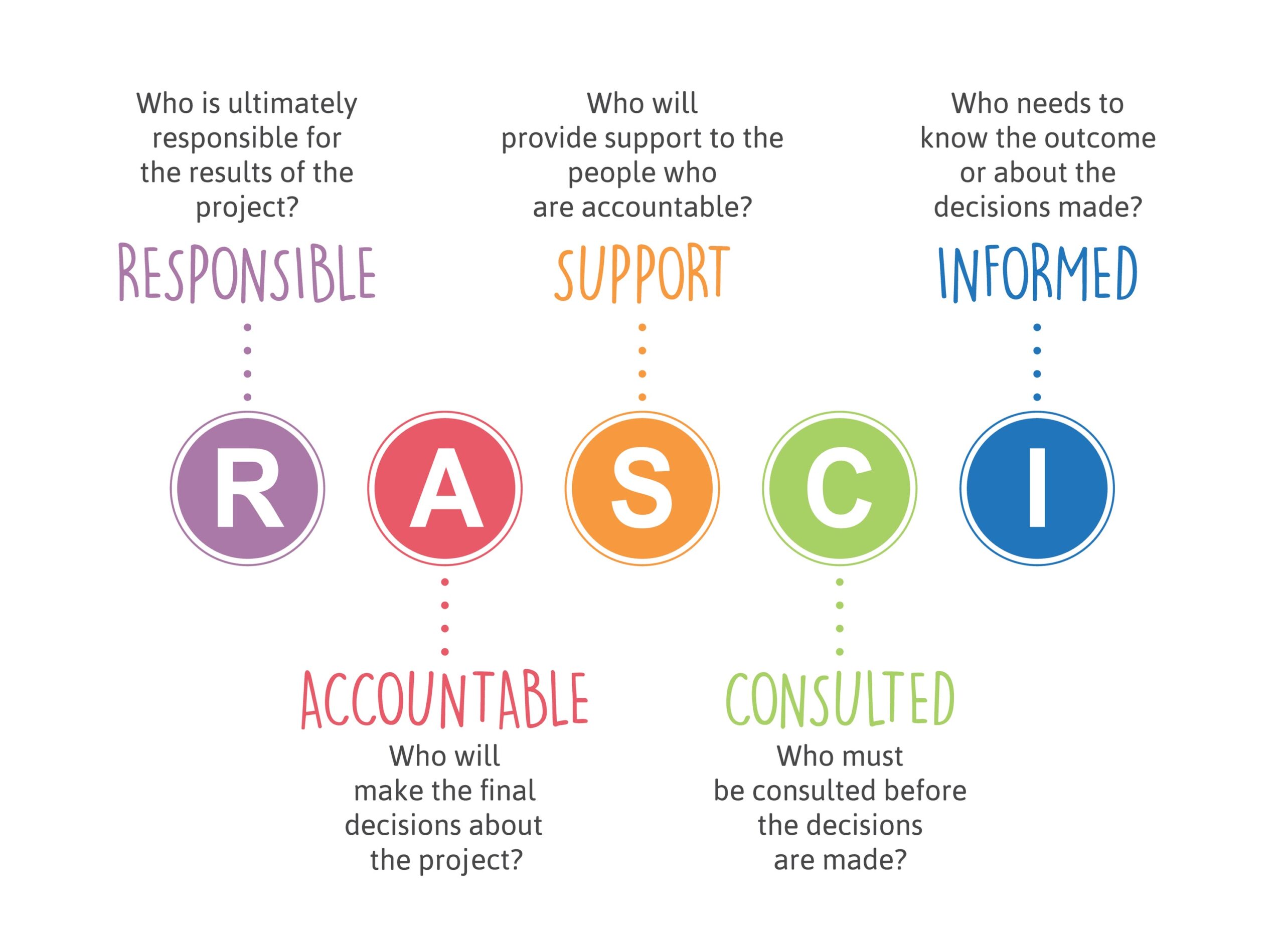
  • Use frameworks like RACI to assign roles.
     
  • Communicate responsibilities clearly and revisit them regularly.
     
  • Align roles with individual strengths and team goals.
💡Why It Matters:
  • Teams with clear roles achieve objectives 32% faster (Corporate Executive Board).
     
  • Reduces confusion, overlaps, and conflict.
     
  • Improves accountability and workflow efficiency.

25. 🤗 Respect for Diversity & Inclusion

📖Definition:

Valuing different perspectives, backgrounds, and working styles while fostering inclusion.

🤔How to Develop:
  • Listen actively to diverse opinions.
     
  • Use inclusive language and encourage participation from all members.
     
  • Celebrate differences and promote equality.
💡Why It Matters:
  • Diverse teams are more creative and innovative.
     
  • Enhances problem-solving and team harmony.
     
  • Improves retention of talent from varied backgrounds.

🌟Key Takeaways

Developing teamwork skills is an ongoing journey. By mastering communication, interpersonal, task execution, and leadership skills, individuals not only enhance their own performance but also strengthen their team’s overall effectiveness.

Organizations with high-performing teams experience tangible benefits:

  • Faster project delivery thanks to clear communication and structured workflows.
     
  • Higher innovation driven by collaborative problem-solving and creativity.
     
  • Reduced conflicts through empathy, active listening, and conflict resolution.
     
  • Stronger, more resilient culture built on trust, accountability, and positive team dynamics.

Teamwork isn’t just about working together—it’s about growing together, learning from each other, and achieving shared goals.

💡Why These Skills Matter

Mastering these 25 teamwork skills enables teams to:

  • Operate efficiently, coordinating efforts and reducing wasted time.
     
  • Innovate effectively, leveraging diverse perspectives and creativity.
     
  • Maintain strong, resilient relationships, fostering trust and psychological safety.

Developing these skills requires practice, reflection, and a willingness to adapt, but the payoff is substantial:

  • Higher productivity and streamlined project execution.
     
  • Better problem-solving through collaborative approaches.
     
  • More engaged and committed team members, boosting morale and retention.

Research shows that teams with high emotional intelligence and strong collaboration skills outperform others by up to 20% in productivity and problem-solving efficiency (Harvard Business Review).

By consistently practicing these abilities, seeking feedback, and reflecting on experiences, anyone can contribute to a more cohesive, high-performing, and innovative team.
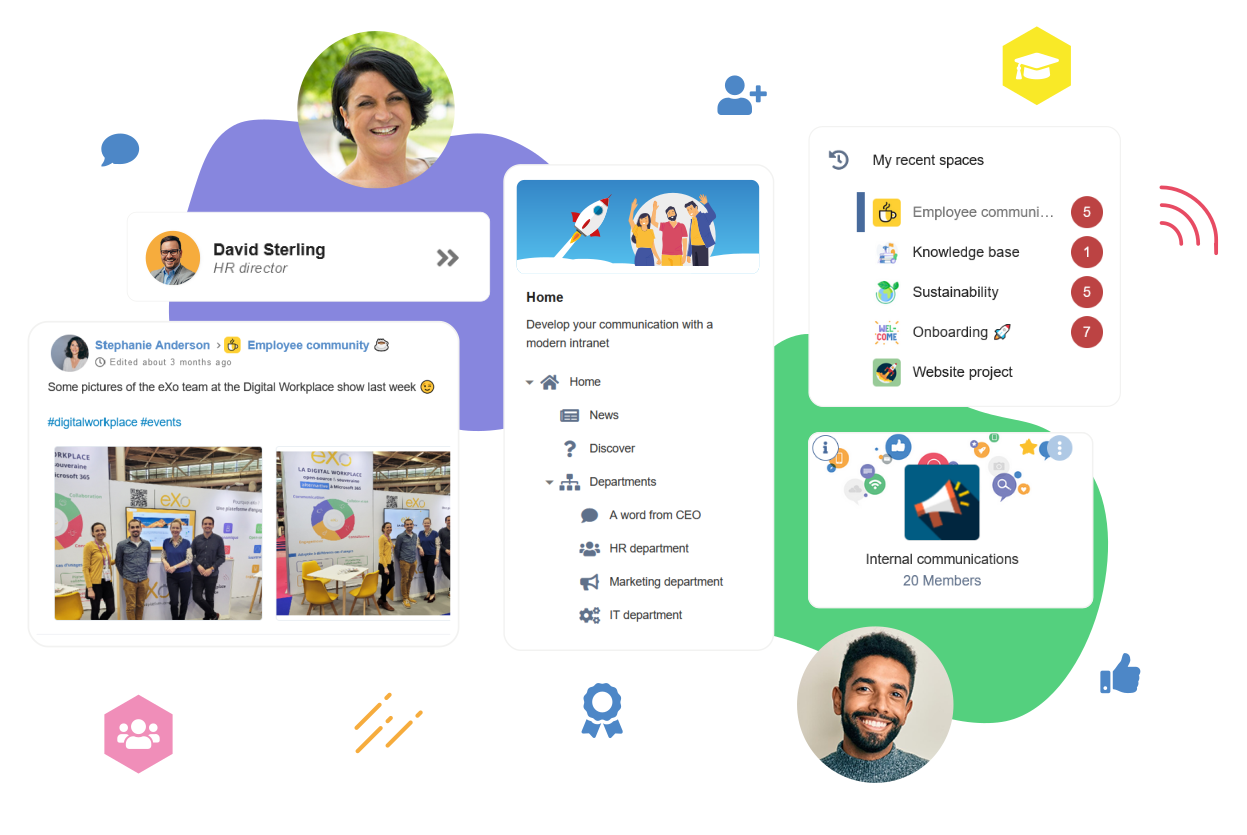
eXo Platform Digital Workplace​

Connect your employees to their teams,
tools and information

eXo Platform Digital Workplace​

🏆How to Develop and Strengthen Teamwork Skills

Developing strong teamwork skills doesn’t happen automatically. It requires intentional effort, reflection, and consistent practice. High-performing teams cultivate these abilities through clear strategies, supportive culture, and structured processes. Here’s how individuals and organizations can strengthen teamwork skills effectively:

1. 👂Practice Active Listening

❓What it is:

Fully focusing on others’ messages, including verbal and non-verbal cues, before responding.

👨🏼‍💻How to Develop:

  • Paraphrase what teammates say to confirm understanding.
     
  • Ask clarifying questions rather than assuming intentions.
     
  • Avoid distractions and give your full attention during discussions.

📚Key Benefits & Studies:

  • Teams practicing active listening report 28% fewer errors and 34% higher satisfaction (International Listening Association).
     
  • Reduces misunderstandings and fosters empathy, ensuring all voices are heard.

2. 💬Encourage Open Communication & Feedback Culture

❓What it is:

Creating a safe environment where team members can share ideas, concerns, and feedback freely.

👨🏼‍💻How to Develop:

  • Hold regular team check-ins and feedback sessions.
     
  • Use collaborative tools (Slack, Teams, or shared documents) to maintain structured communication.
     
  • Model constructive feedback using frameworks like SBI (Situation-Behavior-Impact).

📚Key Benefits & Studies:

  • Structured feedback improves team performance by 12.5% (Gallup, 2023).
     
  • Open communication reduces project delays and enhances trust among team members.

3. 📌Define Clear Roles and Objectives Upfront

❓What it is:

Clarifying each team member’s responsibilities and how they contribute to the team’s goals.

👨🏼‍💻How to Develop:

  • Use frameworks like RACI to assign responsibilities.
     
  • Align tasks with individual strengths and team priorities.
     
  • Revisit roles periodically as projects evolve.

📚Key Benefits & Studies:

  • Teams with clearly defined roles complete objectives 32% faster and experience 25% less conflict (Corporate Executive Board).
     
  • Prevents duplication of work and increases accountability.

4. ✅Foster Accountability and Reliability

❓What it is:

Ensuring team members commit to their tasks and follow through consistently.

👨🏼‍💻How to Develop:

  • Set measurable personal and team goals.
     
  • Schedule regular check-ins and progress updates.
     
  • Recognize and reward reliability while addressing missed commitments constructively.

📚Key Benefits & Studies:

  • Teams with strong accountability cultures are 65% more likely to meet financial targets (Partners in Leadership, 2023).
     
  • Builds trust and strengthens overall team cohesion.

5. ❤️Promote Empathy, Respect, and Emotional Intelligence

❓What it is:

Understanding teammates’ perspectives, emotions, and motivations while fostering inclusion and psychological safety.

👨🏼‍💻How to Develop:

  • Observe non-verbal cues and check in on colleagues’ well-being.
     
  • Encourage diverse viewpoints and validate contributions.
     
  • Create a culture where respectful disagreements and debates are safe.

📚Key Benefits & Studies:

  • Teams high in empathy collaborate 37% more effectively and retain diverse talent 52% longer (Academy of Management Journal, 2023).
     
  • Reduces conflicts and improves interpersonal relationships.

6. 💡Support Collaboration and Shared Problem-Solving

❓What it is:

Working together to generate solutions, leverage strengths, and pool knowledge.

👨🏼‍💻How to Develop:

  • Organize brainstorming sessions and cross-functional projects.
     
  • Share tasks according to team members’ expertise.
     
  • Use collaborative tools for coordination and progress tracking.

📚Key Benefits & Studies:

  • Collaborative teams are more innovative and tackle complex problems effectively (Deloitte, 2024).
     
  • Promotes idea-sharing and collective ownership of results.

7. 🔄Encourage Adaptability and Flexibility

❓What it is:

Adjusting to changes in projects, roles, or strategies without resistance.

👨🏼‍💻How to Develop:

  • Embrace new tasks or responsibilities.
     
  • Suggest alternative approaches when challenges arise.
     
  • Frame changes as opportunities to learn and grow.

📚Key Benefits & Studies:

  • Flexible teams adapt to disruptions 2.1x faster while maintaining productivity (Gartner).
     
  • Reduces stress and increases resilience during uncertain situations.

8. 🧭Provide Leadership and a Positive Mindset

❓What it is:

Offering guidance, support, and motivation even without formal authority.

👨🏼‍💻How to Develop:

  • Mentor teammates and model desired behaviors.
     
  • Recognize achievements and encourage learning from failures.
     
  • Inspire optimism and solution-focused thinking.

📚Key Benefits & Studies:

  • Distributed leadership improves adaptability by 35% and engagement by 41% (Center for Creative Leadership).
     
  • Strengthens team cohesion and morale, fostering a supportive environment.

9. 🛠️Invest in Culture, Training, and Tools

❓What it is:

Organizations play a critical role in enabling teamwork through policies, resources, and training.

👨🏼‍💻How to Develop:

  • Provide workshops on communication, conflict resolution, and collaboration.
     
  • Implement collaborative software and project management platforms.
     
  • Recognize and reward teamwork and collaborative behaviors.

📚Key Benefits & Studies:

  • Teams with strong cultural support and proper tools report higher efficiency and up to 20% improvement in problem-solving (Harvard Business Review).
     
  • Encourages consistent skill development and sustained performance.

🚀The Future of Teamwork: Emerging Trends

The nature of teamwork is evolving rapidly, driven by technology, diverse workforces, and changing organizational needs. Understanding emerging trends helps teams prepare for the future and leverage new tools and approaches for stronger collaboration.

1. 🤖AI-Augmented Collaboration

❓What it is:

Artificial intelligence is increasingly mediating team interactions by analyzing dynamics and providing actionable insights.

🔑Key Features:

  • Suggests optimal collaborators based on skills, past performance, and communication styles.
     
  • Predicts potential conflicts or misalignments before they escalate.
     
  • Recommends effective communication approaches tailored to individual and team preferences.

🎓Examples & Studies:

  • Platforms like eXo already incorporate relationship mapping and interaction pattern analysis to optimize team performance.
     
  • Research shows AI-assisted collaboration can improve decision-making speed by up to 25% and reduce project delays (MIT Sloan Management Review, 2023).

🤔Why It Matters:

  • Enables smarter team formation and task allocation.
     
  • Enhances productivity and reduces friction in cross-functional teams.
     
  • Provides data-driven insights without replacing human judgment.

2. 🧠Neurodiversity-Inclusive Design

❓What it is:

Designing teamwork tools and practices to accommodate diverse cognitive styles, making collaboration more inclusive and effective.

🔑Key Features:

  • Asynchronous-first workflows for employees who process information differently.
     
  • Multiple communication channels (text, audio, video, interactive dashboards) to suit varied preferences.
     
  • Customizable interfaces to enhance accessibility and reduce cognitive overload.

🎓Examples & Studies:

  • Inclusive design increases employee engagement by up to 20% and supports retention of neurodiverse talent (Harvard Business Review, 2024).
     
  • Organizations practicing neurodiverse-friendly collaboration report higher innovation rates due to diverse perspectives (Deloitte, 2023).

🤔Why It Matters:

  • Promotes equity and psychological safety in team interactions.
     
  • Harnesses the strengths of all team members, improving creativity and problem-solving.

3. 📊Quantified Team Dynamics

❓What it is:

Using data from sensors, communication logs, and productivity metrics to analyze team functioning and optimize collaboration.

🔑Key Features:

  • Real-time visualization of team interactions and workload distribution.
     
  • Early identification of bottlenecks or potential burnout.
     
  • Focus on team-level insights rather than individual surveillance for ethical implementation.

🎓Examples & Studies:

  • Studies show teams using quantified analytics improve coordination and reduce project cycle time by 15–20% (Journal of Organizational Behavior, 2023).
     
  • Ethical frameworks emphasize transparency and consent when monitoring team metrics.

🤔Why It Matters:

  • Provides actionable insights for managers and teams to adjust workflows proactively.
     
  • Supports informed decision-making without compromising trust or privacy.

4. 🛠️Skills-Based Team Formation

❓What it is:

Forming teams dynamically based on members’ skills rather than formal organizational charts.

🔑Key Features:

  • Transparent skills mapping through collaboration platforms like eXo.
     
  • Agile, temporary teams created for specific projects or challenges.
     
  • Real-time alignment of competencies with project requirements.

🎓Examples & Studies:

  • Companies using skills-based team formation report 30% faster project execution and higher task quality (McKinsey & Company, 2024).
     
  • Encourages cross-functional learning and better resource utilization.

🤔Why It Matters:

  • Maximizes efficiency and innovation by matching the right people to the right tasks.
     
  • Encourages continuous skill development and recognition of hidden talent within organizations.

🌐Conclusion: Teamwork as a Strategic Advantage

Teamwork skills are no longer optional—they are the foundation of high-performing, resilient, and innovative organizations. From essential communication and active listening to leadership, accountability, empathy, adaptability, and clarity in roles, the 25 teamwork skills outlined in this guide form an interconnected system that enables teams to operate efficiently, solve complex problems, and deliver superior results.

However, mastering skills alone is not enough. Teams thrive when human capabilities are combined with supportive structures, processes, and technology. Platforms like eXo exemplify this by providing a unified, secure, and flexible environment that enhances collaboration, knowledge sharing, and skill development.

🔥Why Developing Teamwork Skills Matters

  • Higher Productivity: Teams that cultivate these skills can complete projects up to 25–30% faster and reduce errors significantly (Harvard Business Review, 2023; International Listening Association).
     
  • Enhanced Innovation: Collaborative, diverse teams produce more creative solutions, with structured creativity processes generating up to 5.3x more patentable ideas (Boston Consulting Group, 2024; MIT Human Dynamics Lab).
     
  • Improved Retention and Engagement: High-empathy, psychologically safe teams retain talent longer and experience 52% higher engagement (Academy of Management Journal, 2023).
     
  • Greater Resilience: Teams that manage conflicts effectively and adapt to change maintain productivity through disruptions, outperforming less cohesive teams by up to 20% in problem-solving efficiency (Harvard Business Review).

😎Key Features of a Future-Ready Teamwork Environment

  • Unified Collaboration: Break down silos and streamline communication to support transparency and alignment.
     
  • Centralized Knowledge: Easy access to shared information accelerates decision-making, problem-solving, and learning.
     
  • Governance & Accountability: Secure, structured environments help teams maintain responsibility and track commitments.
     
  • AI-Augmented Insights: Platforms can suggest collaborators, predict potential challenges, and recommend strategies to optimize team dynamics.
     
  • Inclusive and Adaptive Design: Support for neurodiverse cognitive styles, asynchronous work, and skills-based team formation ensures every team member contributes effectively.

👀Looking Ahead: Investing in Teams

The distinction between high-performing and struggling organizations increasingly depends on collective capability rather than individual talent. By intentionally developing teamwork skills and combining them with modern collaborative infrastructure, organizations gain a sustainable competitive advantage:

  • Faster adaptation to changing conditions.
     
  • Superior problem-solving and innovation.
     
  • Stronger employee engagement and retention.
     
  • Consistent, high-quality execution across projects.

Teamwork is more than just working together—it is growing together, leveraging collective strengths, and achieving shared success. Organizations that invest in both human skills and the right digital tools are best positioned to navigate the complexities of the 21st-century workplace.

FREE DATASHEET

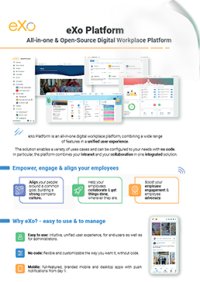
eXo Platform 7  : The Open-Source

Digital Workplace Platform

Download the eXo Platform 7 Datasheet and discover all the features and benefits
book-datasheet-7
cta-rectangle-rose
FREE DATASHEET

Download the eXo Platform Datasheet and discover all the features and benefits

FAQ

You will find here Frequently Asked Questions about teamwork with all the answers in one place.

Teamwork is the collaborative effort of a group of individuals working together to achieve a shared objective in the most effective and efficient manner. It’s a process where individual skills, experiences, and ideas are combined, leveraged, and applied toward a common goal, making the collective output greater than the sum of its individual parts—a principle known as synergy.


Effective teamwork combines complementary skills, a shared purpose, clear roles, open communication, psychological safety, and well-designed coordination mechanisms. These elements ensure that each contribution fits into the larger picture, transforming individual efforts into results far greater than the sum of their parts.


🔗 See the full definition of Teamwork

Teamwork is far more than a feel-good concept—it is a strategic driver of organizational performance. Across industries, research consistently shows that effective collaboration has a measurable impact on innovation, productivity, employee engagement, decision-making, and organizational resilience.


  1. Drives Innovation and Problem-Solving
  2. Boosts Productivity and Efficiency
  3. Enhances Employee Engagement and Retention
  4. Improves Organizational Agility
  5. Reduces Errors and Strengthens Decision-Making
  6. Promotes Knowledge Sharing and Continuous Learning

🔗 Find out Why teamwork Is Important

Selecting the right teamwork platform is a strategic decision that can significantly impact productivity, collaboration, and employee engagement.


The right platform not only supports day-to-day teamwork but also helps your organization scale, share knowledge effectively, and reduce friction across processes.


To make an informed choice, follow this structured roadmap and the teamwork tips for technology selection:

 
  1. Diagnose Your Pain Points
  2. Map Real Team Journeys
  3. Define Top Outcomes
  4. Match Features to Outcomes
  5. Consider Integration and Ecosystem Fit
  6. Evaluate User Experience (UX)
  7. Pilot and Gather Feedback
  8. Assess Scalability and Total Cost of Ownership (TCO)
  9. Iterate and Optimize
 

🔗 Discover How to Choose the Right Teamwork Platform

Employee productivity refers to how efficiently and effectively an individual or a team converts their time, effort, and resources into meaningful outcomes that contribute to the organization’s overall goals. In simple terms, it measures the relationship between output (the work produced, goals achieved, or value delivered) and input (the time, energy, tools, and resources invested).


Traditionally, productivity was expressed through a straightforward formula:


Productivity = Output Input (Labor Hours and Resources)


Employee turnover refers to the number or percentage of employees who leave an organization (voluntarily or involuntarily) and are replaced by new hires. High turnover can impact productivity, morale, and costs.


🔗 See the full definition of employee productivity

Employee productivity isn’t just a performance metric — it’s the foundation of organizational growth, innovation, and long-term success. When employees work efficiently and purposefully, organizations can achieve more with the same resources, adapt faster to change, and maintain a competitive edge in an increasingly demanding business landscape.


💼 The Strategic Importance of Productivity

📈 The Business Case for Employee Productivity

  1. Increased Profitability and ROI
  2. Enhanced Competitive Advantage
  3. Improved Employee Engagement and Retention
  4. Greater Customer Satisfaction
  5. Cost-Efficiency and Smart Resource Use
  6. Adaptation to Hybrid and Digital Work Models
  7. Innovation and Knowledge Reuse

⚖️ Productivity as a Balance of Performance and Well-Being


🔗 Discover why employee productivity matters.

Employee engagement is the emotional and intellectual commitment an employee has toward their job, their team, and their organization. It’s about how much an individual cares about the company’s success and how motivated they are to contribute to its goals. Engaged employees don’t just show up—they feel proud, passionate, and fully involved in their work.


This engagement can take many forms: feeling loyal and connected (emotional), being focused and eager to improve (cognitive), or showing high productivity and advocacy for the company (behavioral). Strong leadership, a positive culture, growth opportunities, and work-life balance are some of the key drivers that make it possible.


See the full definition of employee engagement

Employee turnover refers to the number or percentage of employees who leave an organization (voluntarily or involuntarily) and are replaced by new hires. High turnover can impact productivity, morale, and costs.


🔗 See the full definition of employee turnover

I am a Digital Marketing specialist specialized in SEO at eXo Platform. Passionate about new technologies and Digital Marketing. With 10 years' experience, I support companies in their digital communication strategies and implement the tools necessary for their success. My approach combines the use of different traffic acquisition levers and an optimization of the user experience to convert visitors into customers. After various digital experiences in communication agencies as well as in B2B company, I have a wide range of skills and I am able to manage the digital marketing strategy of small and medium-sized companies.
Related posts
  • All
  • eXo
  • Digital workplace
  • Employee engagement
  • Open source
  • Future of work
  • Internal communication
  • Collaboration
  • News
  • intranet
  • workplace
  • Knowledge management
  • Employee experience
  • Employee productivity
  • onboarding
  • Employee recognition
  • Change management
  • Cartoon
  • Digital transformation
  • Infographic
  • Remote work
  • Industry trends
  • Product News
  • Thought leadership
  • Tips & Tricks
  • Tutorial
  • Uncategorized

I am a Digital Marketing specialist specialized in SEO at eXo Platform. Passionate about new technologies and Digital Marketing. With 10 years' experience, I support companies in their digital communication strategies and implement the tools necessary for their success. My approach combines the use of different traffic acquisition levers and an optimization of the user experience to convert visitors into customers. After various digital experiences in communication agencies as well as in B2B company, I have a wide range of skills and I am able to manage the digital marketing strategy of small and medium-sized companies.