

FREE WHITE PAPER
The term open source refers to any solution that has its source code widely accessible to the public for modification and sharing.
Microsoft SharePoint‘s dominance in enterprise collaboration is facing unprecedented challenges across Europe, where data sovereignty concerns and regulatory compliance requirements are reshaping organizational IT decisions.
European alternatives to SharePoint are gaining significant traction as businesses seek solutions that align with GDPR requirements, reduce dependency on US tech giants, and offer competitive functionality tailored to European market needs.
Data sovereignty, GDPR compliance, and growing concerns about foreign jurisdiction over sensitive information are reshaping IT decisions. European organizations are no longer asking only, “Does this platform work?” They’re asking, “Where is our data stored? Who controls it? Under which legal framework does it fall?”
The shift toward European solutions isn’t just about compliance, it’s about strategic autonomy. Organizations are discovering that European alternatives to Big Tech often provide superior data control, faster local support, and pricing models that better serve regional business requirements.
Organizations are realizing that European platforms often deliver stronger data control, faster local support, and pricing models better suited to regional needs. At its core, this movement is about keeping critical collaboration infrastructure under clear legal, technical, and operational control, ensuring that performance, security, and sovereignty go hand in hand.
This comprehensive analysis examines the Top 11 European alternatives to SharePoint, evaluating their strengths, positioning, and performance across key criteria such as compliance, scalability, intranet features, and overall digital workplace capabilities. The goal is to give you the insights you need to make informed decisions and choose the right solution for your organization’s collaboration infrastructure.
Despite its long-standing dominance, SharePoint is facing growing scrutiny across Europe. Organizations are increasingly seeking alternatives, not just for better functionality, but for sovereignty, security, and operational freedom. Here’s why:
European companies want control over where data is stored and which legal frameworks govern it. Relying on US-based providers exposes organizations to the Cloud Act, which can compel companies to hand over data regardless of its physical location. EU-based alternatives give organizations clear legal jurisdiction and reduce reliance on foreign authorities.
SharePoint’s complexity and vendor dependency can create security debt. Recent vulnerabilities affecting on-premise servers have left organizations exposed. European providers often adopt a privacy-first design, align closely with GDPR, and provide faster patching and local compliance guarantees.
Licensing for SharePoint can become expensive and inflexible. Organizations often have to purchase the full Microsoft 365 suite to access certain features, including AI tools they may not need. European alternatives often provide transparent, modular pricing that better suits regional business requirements.
Many European platforms are open-source, giving organizations greater flexibility, transparency, and the ability to tailor workflows to their needs. This reduces dependency on proprietary ecosystems and allows teams to integrate with other systems or open formats more easily.
Working with providers in the same time zone and with local language support improves the customer experience and accelerates issue resolution, a significant advantage over global vendors.
Even beyond sovereignty or regulatory reasons, organizations are looking for tools that:
👉In short, European organizations are increasingly recalibrating priorities: they want collaboration platforms that balance functionality, security, cost-efficiency, and sovereignty, all areas where SharePoint often falls short.
When evaluating SharePoint alternatives, organizations must balance multiple factors beyond basic functionality. Data sovereignty emerges as the primary concern, with European companies increasingly requiring servers located within EU borders to comply with GDPR and national regulations.
Security features rank equally critical, encompassing end-to-end encryption, multi-factor authentication, and comprehensive audit trails. Cost-effectiveness becomes paramount, as many alternatives offer competitive pricing structures that can reduce total ownership costs by 30-50%. Integration capabilities determine adoption success, platforms must seamlessly connect with existing Microsoft Office suites, CRM systems, and industry-specific tools while maintaining workflow continuity.

Benefits of Open Source Software
for the Enterprise
The term open source refers to any solution that has its source code widely accessible to the public for modification and sharing.
The term open source refers to any solution that has its source code widely accessible to the public for modification and sharing.
 Best European SharePoint Alternatives
Organizations considering moving away from SharePoint face more than a simple software swap. Choosing the right alternative requires evaluating data sovereignty, security, cost, integration, and user experience, all while ensuring the platform supports collaboration, knowledge management, and workflow continuity.
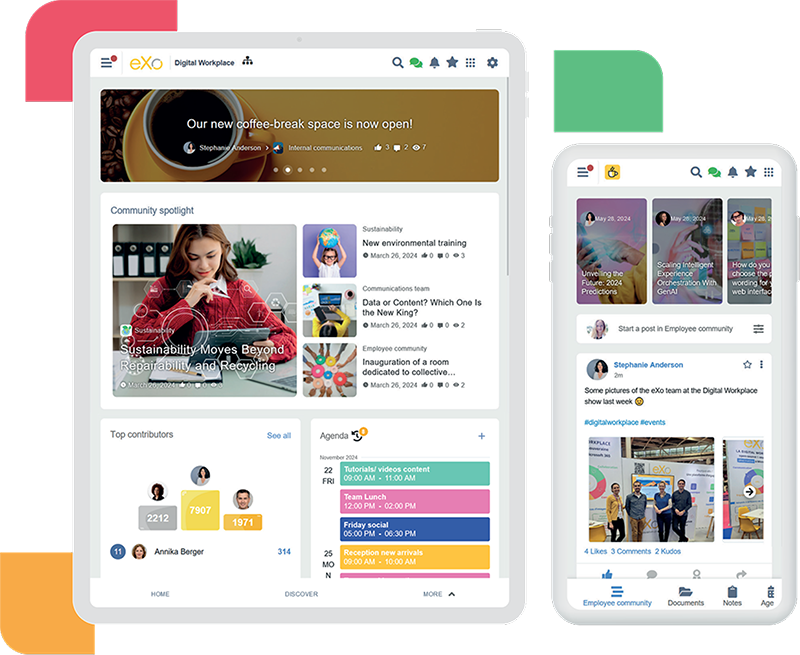
eXo Platform is a comprehensive, open-source digital workplace that unifies document management, enterprise social networking, knowledge management, and collaboration suites. Unlike platforms that require multiple tools to cover the full workplace ecosystem (like SharePoint + Teams + Yammer), eXo offers a single, integrated solution. It is particularly strong in employee engagement, offering native gamification, recognition, and social collaboration features, and emphasizes European data sovereignty with flexible deployment options.
A modular digital workplace platform that supports intranets, team spaces, activity streams, wikis, calendars, and knowledge management, designed to scale from small teams to large organizations.
Organizations seeking a full-featured, European-focused digital workplace to replace multiple tools like SharePoint, Teams, and Yammer, while prioritizing compliance, security, and employee engagement.
European data sovereignty: Strong focus on compliance and control over data.👉eXo Platform is ideal for organizations that want a fully integrated, European-centric digital workplace with strong collaboration, social networking, and employee engagement features. While it may require more setup and technical expertise than simpler platforms, its modular architecture, hybrid deployment, and native engagement tools make it a powerful choice for companies looking to unify their intranet, document management, and social collaboration in one platform.

Open Source Alternative to Microsoft 365
Empower your organization with eXo Platform to break free from Microsoft dependencies and enhance collaboration with innovative solutions
Open Source Alternative to Microsoft 365
Empower your organization with eXo Platform to break free from Microsoft dependencies and enhance collaboration with innovative solutions
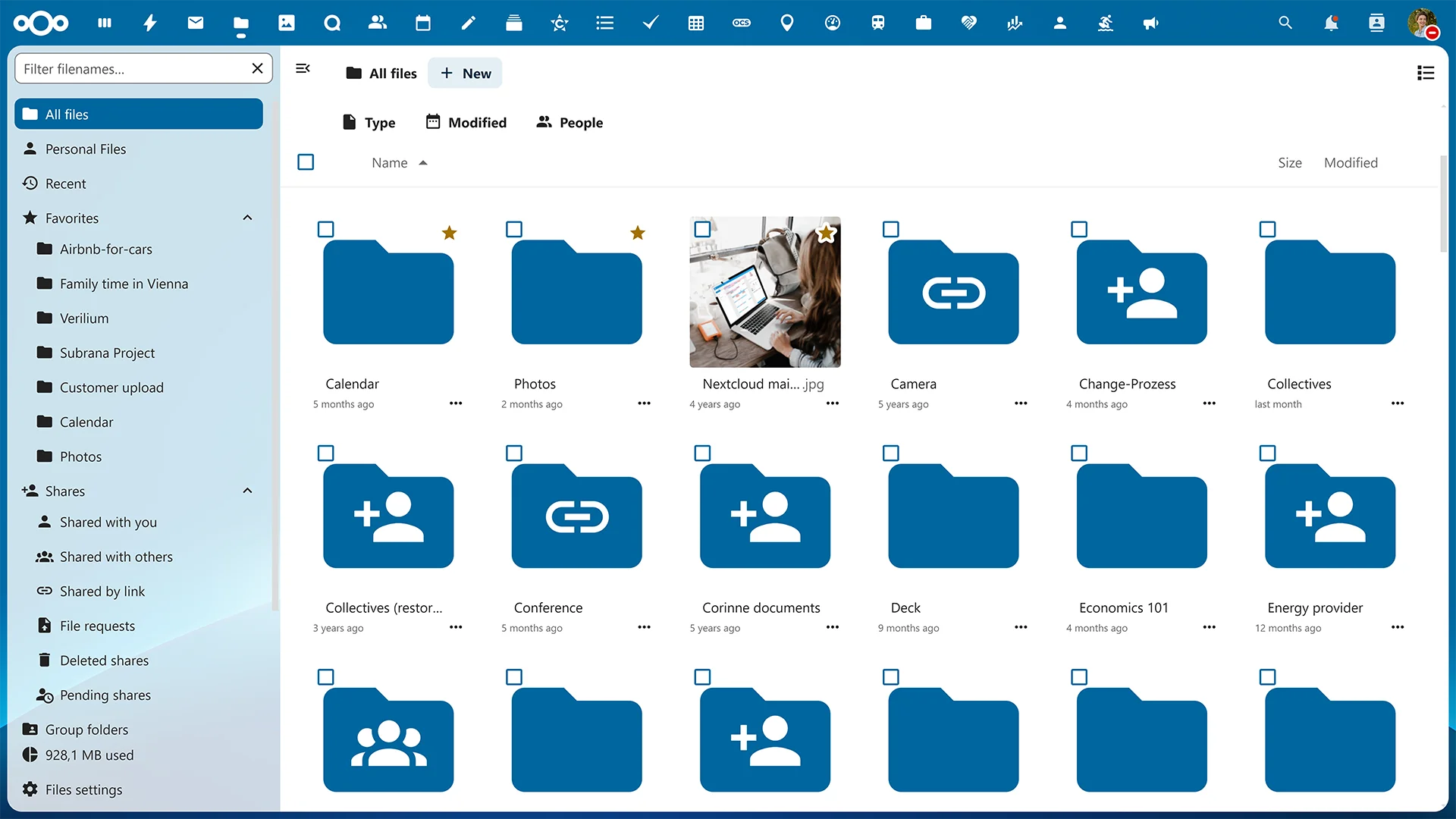
Nextcloud is a German open-source platform focused on file synchronization, sharing, and secure collaboration. It is primarily designed as a self-hosted alternative to OneDrive and SharePoint document libraries, giving organizations complete control over their data. Over time, Nextcloud has evolved into a broader Content Collaboration Platform, with features for calendars, mail, chat, and online document editing via extensions like Collabora Online.
Companies looking for secure, self-hosted file sync and sharing, with optional collaboration tools, without relying on third-party cloud providers. Ideal for organizations with strong IT resources and strict data sovereignty requirements.
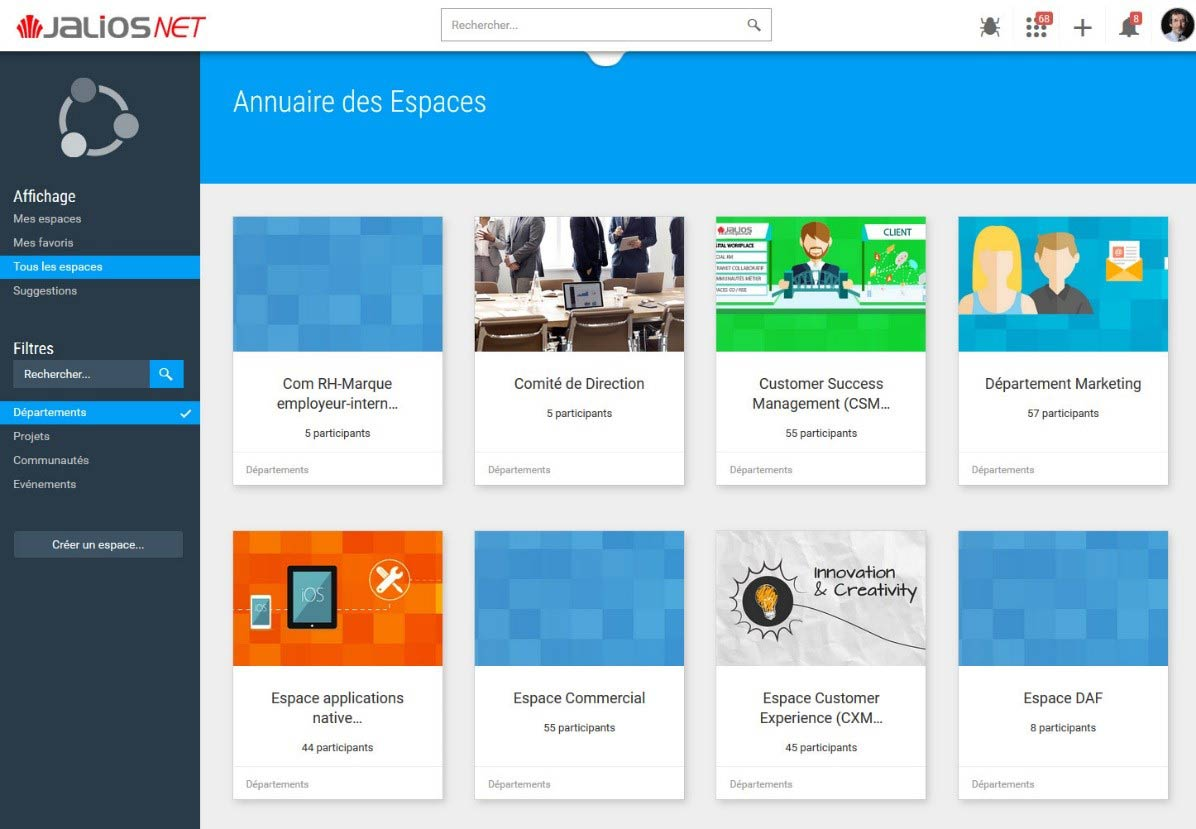
Jalios is a mature French Digital Experience Platform (DXP) that combines intranet, collaboration, and knowledge management tools into a single enterprise-grade solution. Positioned between a traditional intranet and a modern social platform, it is particularly well suited for large enterprises, government institutions, and highly regulated sectors such as defense and public administration.
Large enterprises and public sector organizations that require high security, granular permissions, multilingual environments, and structured workflow management.
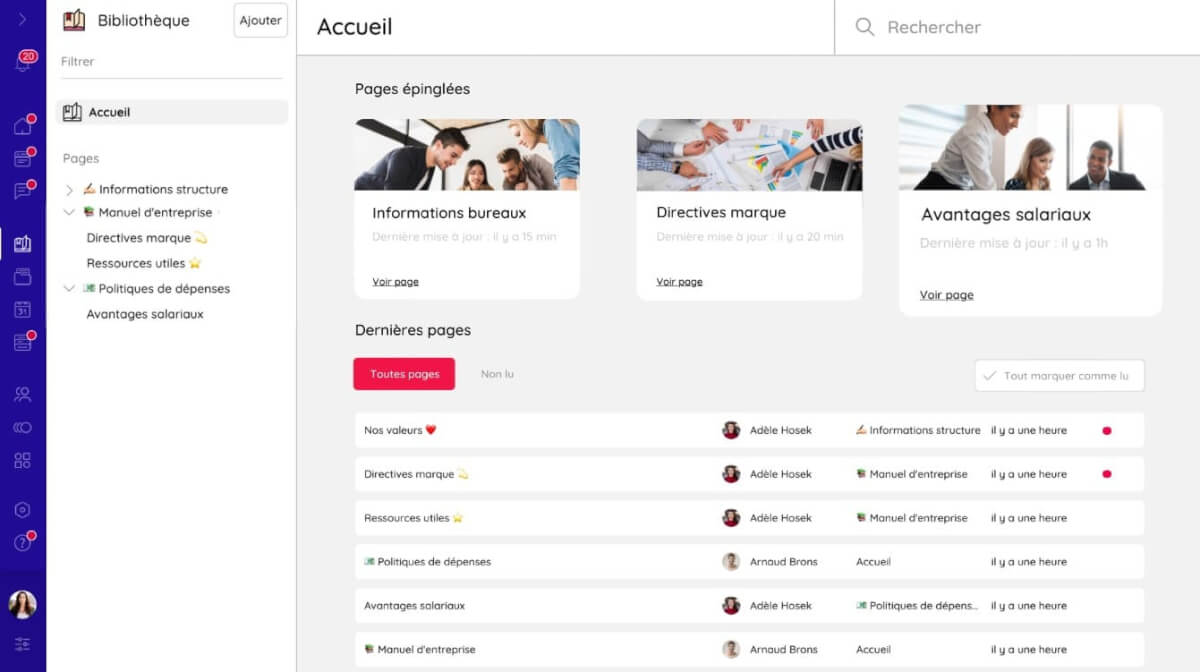
Talkspirit is a modern French collaboration platform focused primarily on team communication, transparency, and reducing email overload. Often described as a mix between Slack and Facebook Workplace, it emphasizes real-time interaction, employee engagement, and ease of use rather than heavy document management.
It is designed to create a more open and connected workplace through chat, communities, and integrated video collaboration, all within a clean and intuitive interface.
Organizations looking to improve internal communication, employee engagement, and team collaboration, rather than deploying a full-featured document management or intranet system.
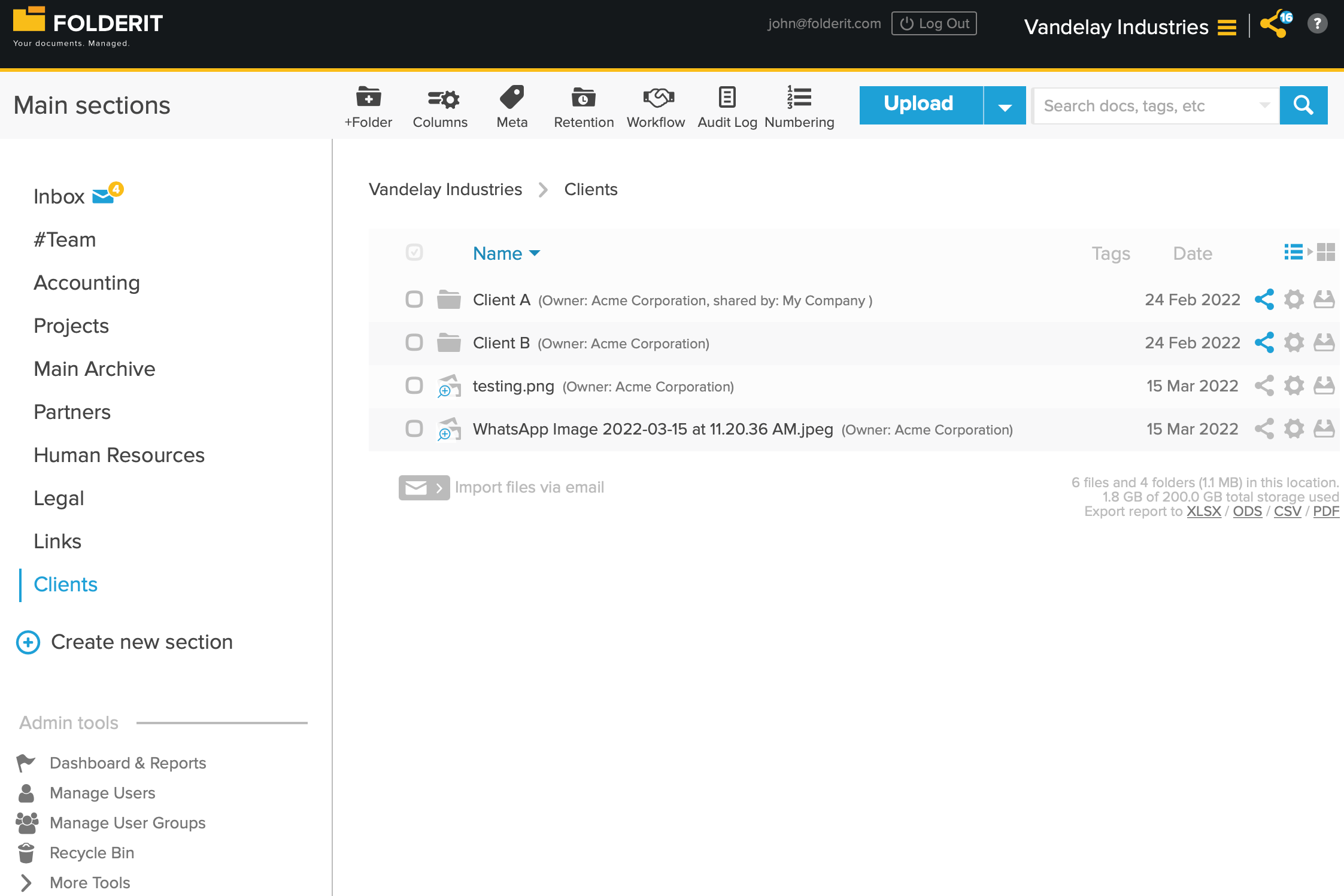
Folderit is an Estonian cloud-based document management and collaboration platform with a strong focus on GDPR compliance, sustainability, and secure storage. It is designed for organizations that need a simple, straightforward way to manage documents with advanced metadata, eSignatures, and full European data compliance.
Unlike full digital workplace suites, Folderit is primarily a document management system (DMS) and does not include social, intranet, or team collaboration features.
Organizations seeking a robust DMS for structured workflows, document search, and centralized management, particularly in regulated environments.
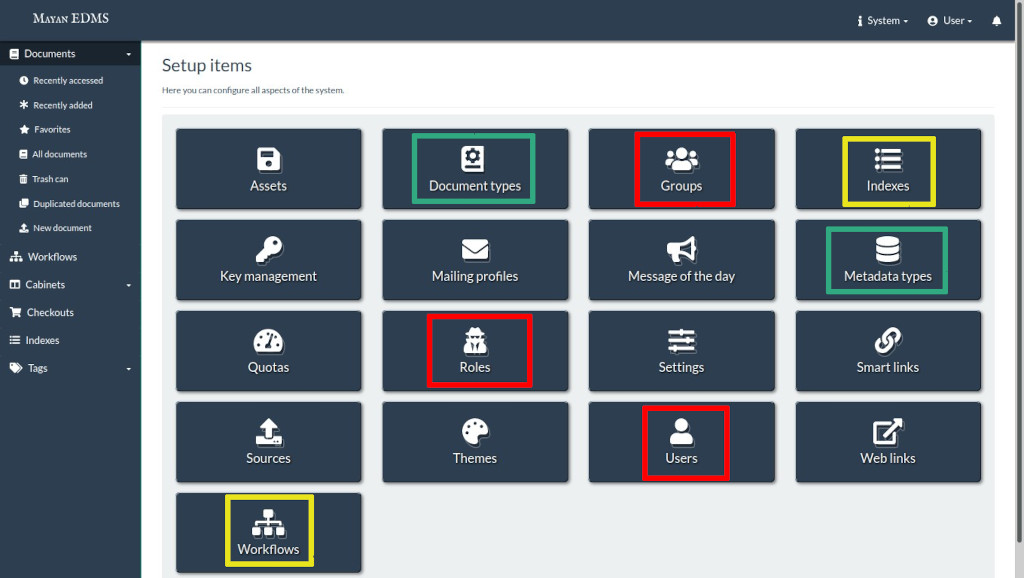
Mayan EDMS is a Spanish open-source electronic document management system designed for organizations that need highly customizable workflows, structured document management, and automation. It offers flexibility for teams that want full control over document lifecycle, versioning, and metadata in a self-hosted environment.
Organizations with technical resources that require a customizable, self-hosted document management system capable of handling complex workflows and electronic record management.
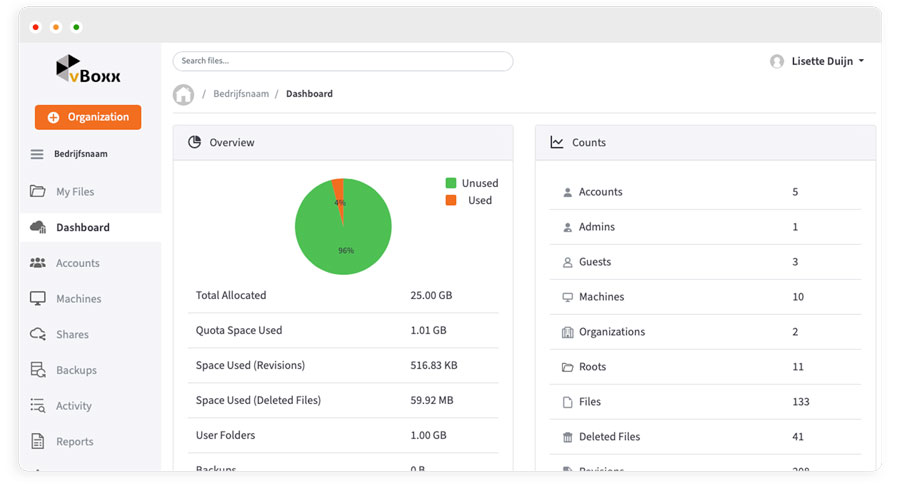
vBoxxCloud is a European file sharing and synchronization platform hosted exclusively in the Netherlands and Germany. It positions itself as a secure alternative to mainstream cloud providers by focusing strongly on data privacy, European hosting, and built-in encryption.
The platform combines SharePoint-style collaboration features with OneDrive-like file sync capabilities, making it particularly attractive to organizations seeking EU-based storage with simplified collaboration.
Companies and public institutions looking for secure, European-based file storage and sharing, without adopting a full digital workplace suite.
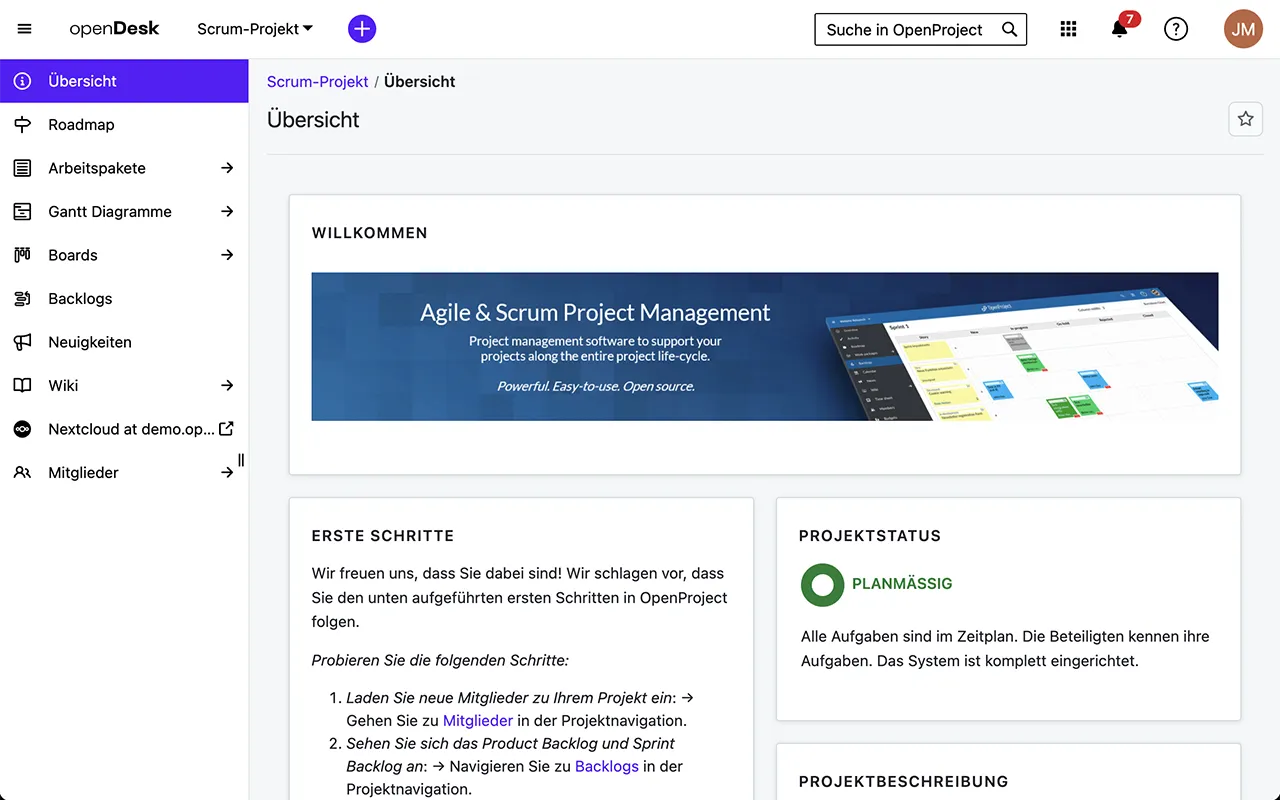
OpenDesk is a German open-source office and collaboration suite designed with a strong EU community focus. It aims to provide teams with core office and collaboration tools while adhering to European data privacy standards. The suite is still evolving but offers an EU-centric alternative to mainstream SaaS office solutions.
Organizations looking for a European open-source alternative for office productivity and team collaboration, particularly those prioritizing data sovereignty and EU community-driven solutions.
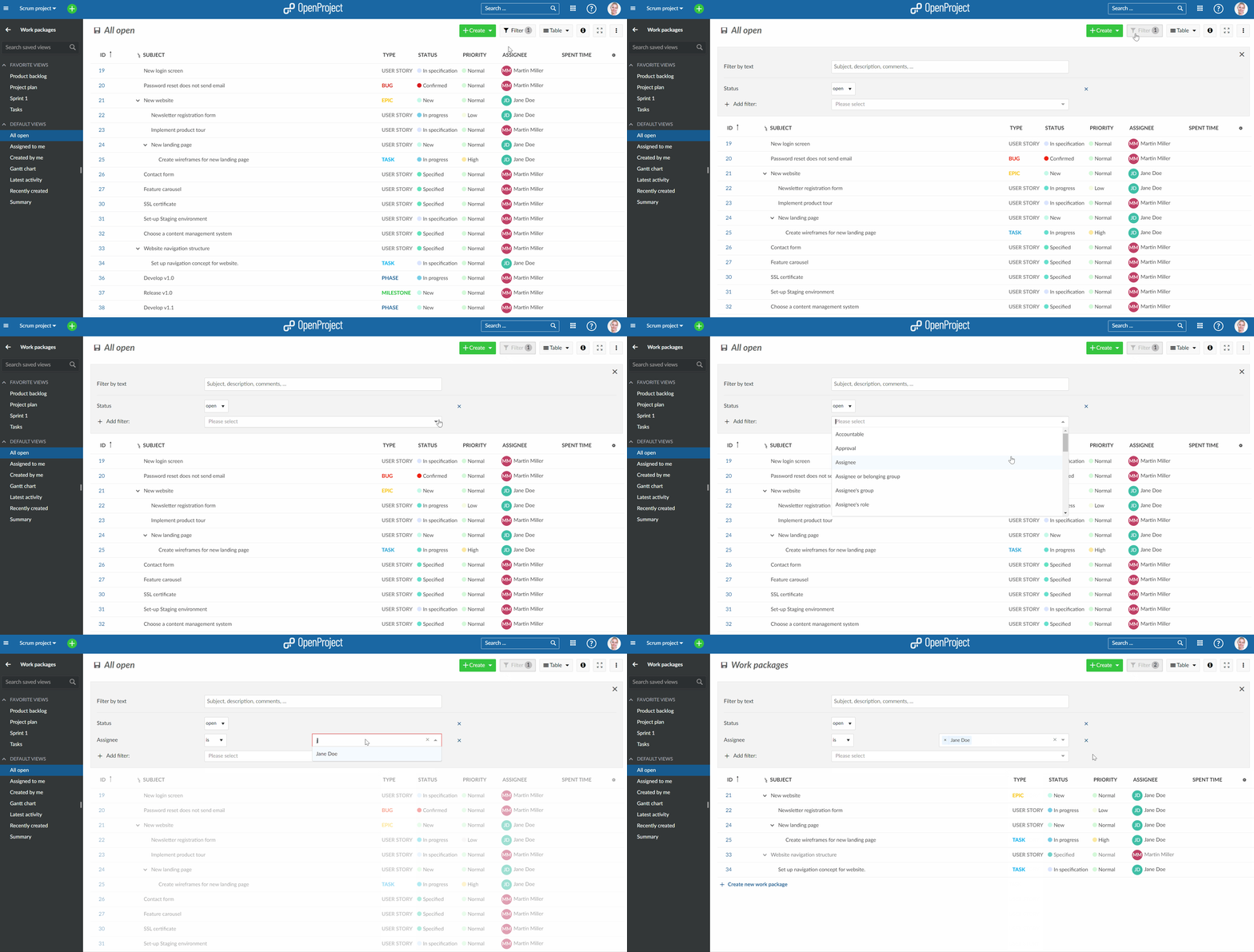
OpenProject is a German open-source project management and collaboration tool widely used in Europe. It focuses on planning, tracking, and managing projects using multiple methodologies such as Agile, Kanban, and Waterfall. Its GDPR-compliant, EU-friendly design allows both cloud and on-premise deployment, making it suitable for organizations concerned with data sovereignty.
Unlike general-purpose intranets or digital workplaces, OpenProject is highly specialized for project tracking and team coordination, rather than enterprise-wide document management or social collaboration.
Teams and organizations that need robust project management capabilities while maintaining open-source flexibility and European data compliance.
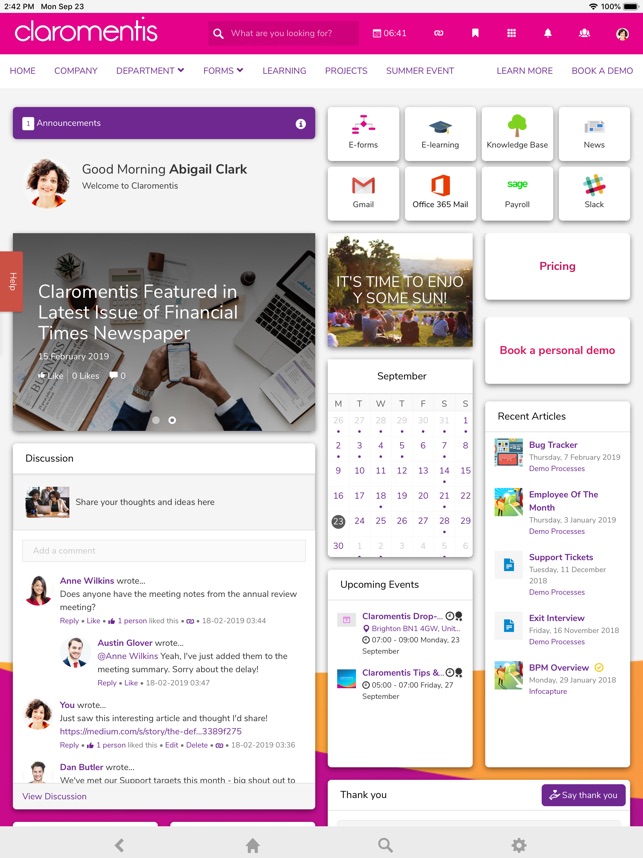
Claromentis is a UK-based enterprise intranet and digital workplace platform designed to support internal communication, collaboration, and knowledge management. It offers a wide range of tools for social engagement, document management, workflows, and employee experience.
Post-Brexit, organizations in the EU may need to consider data sovereignty and hosting compliance when evaluating UK-based solutions.
Organizations seeking a feature-rich enterprise intranet with strong social and knowledge management tools, especially in regions where UK hosting is acceptable.
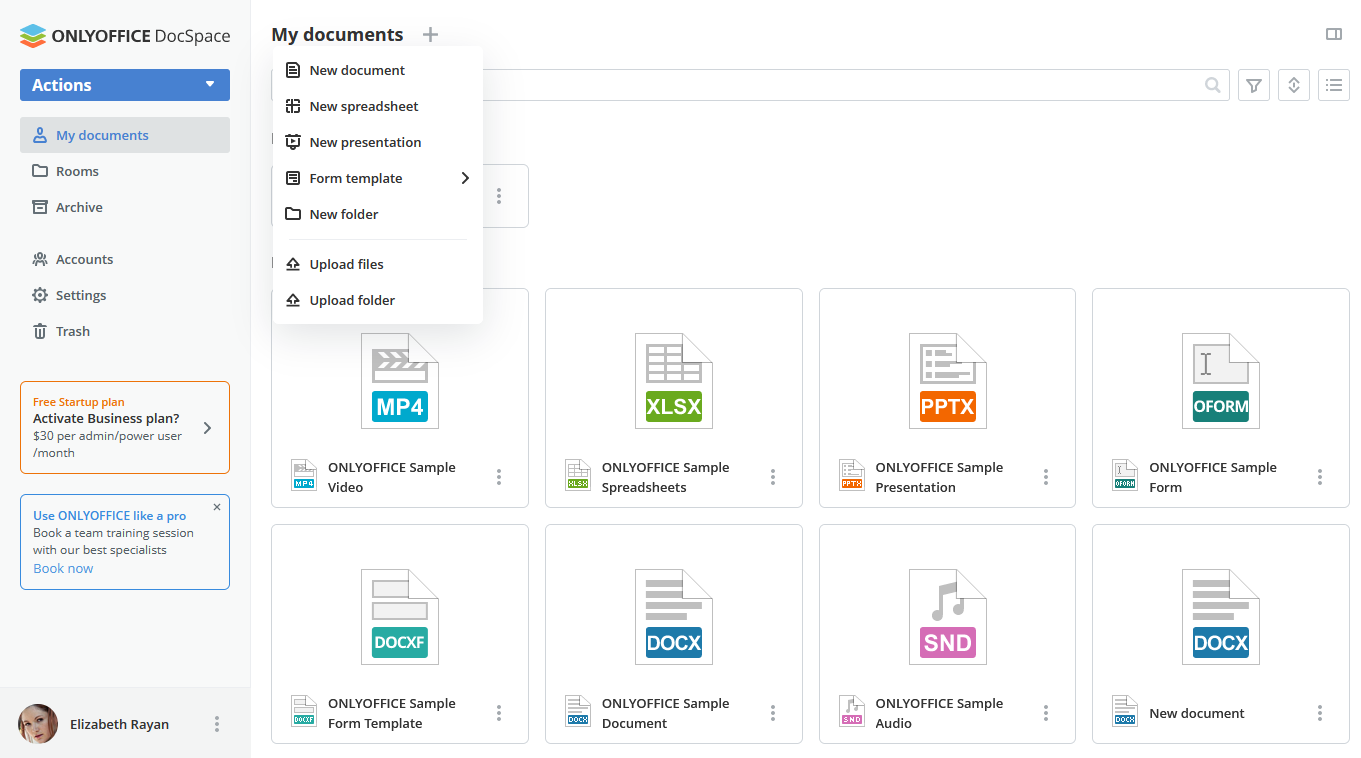
OnlyOffice DocSpace is a secure, room-based document collaboration platform designed for teams and external stakeholders. Unlike the Community Edition, DocSpace provides a structured environment where organizations can create dedicated collaboration spaces (“rooms”) for internal projects, client work, legal reviews, or partner exchanges.
It combines high-fidelity document editing (Word, Excel, PowerPoint formats) with access control, role-based permissions, and secure sharing, all within a European-friendly, self-hostable framework.
While it delivers powerful document collaboration and controlled file exchange, it is not intended to replace a full intranet or social digital workplace on its own.
Organizations that need:
It is especially well suited for legal teams, consulting firms, regulated industries, and businesses managing sensitive documentation workflows.
| Platform | Country | Primary Strengths | Target Organizations | Ideal Use Cases | Key Limitations | Pricing / Notes |
| eXo Platform | France | Full digital workplace; social collaboration; knowledge management; gamification; modular architecture; hybrid EU-hosted | SMEs to large enterprises | Replace SharePoint + Teams + Yammer; engagement-driven intranet; unified digital workplace | Steep learning curve; advanced setup may require technical expertise; integration effort | Open-source core; paid enterprise support; hybrid SaaS / on-prem / sovereign cloud |
| Nextcloud | Germany | File sync & share; end-to-end encryption; extensible app ecosystem; EU self-hosting | IT-savvy SMEs & enterprises | Secure file sharing; GDPR-compliant storage; self-hosted collaboration | Not a full digital workplace; modular UI can feel disjointed; IT-intensive | Free open-source; enterprise subscriptions for support |
| Jalios | France | Enterprise DXP; granular permissions; workflow engine; multilingual; strong security | Large enterprises; public sector; regulated industries | Regulated intranet; structured workflows; defense/public administration | Complex implementation; higher licensing costs; corporate UX | Paid enterprise licensing |
| Talkspirit | France | Modern team communication; intuitive UI; mobile-ready; employee engagement | SMEs & communication-driven teams | Internal communication; reducing email; real-time collaboration | Light document governance; not a full intranet replacement | SaaS subscription; French-hosted options |
| Folderit | Estonia | GDPR-first DMS; eSignatures; metadata tagging | SMEs needing compliant document storage | Secure document workflows; compliance-focused archiving | No social/intranet features; limited collaboration | SaaS subscription; EU-hosted (AWS Ireland) |
| Mayan EDMS | Spain | Customizable workflows; document lifecycle control; open-source flexibility | IT-savvy organizations; regulated industries | Complex document workflows; self-hosted DMS | Technical setup required; not plug-and-play; limited collaboration | Open-source; optional paid support |
| vBoxxCloud | Netherlands/Germany | Secure EU file storage; encryption; simple collaboration | SMEs; public institutions | EU-compliant file storage & sharing | Limited social/intranet features; primarily file-focused | Subscription-based; EU-hosted |
| OpenDesk | Germany | EU open-source office & collaboration suite; community-driven | Teams prioritizing EU sovereignty | Office productivity + collaboration under EU standards | Still maturing; limited advanced collaboration features | Open-source; EU-hosted |
| OpenProject | Germany | Project management (Agile/Kanban/Waterfall); GDPR-compliant; on-prem available | Project teams; SMEs & enterprises | Task planning; tracking; reporting; structured project governance | Focused on projects; lacks intranet/social features | Open-source; enterprise support |
| Claromentis | UK | Enterprise intranet; social & knowledge management; digital workplace suite | Large enterprises; UK & EU markets | Employee portals; structured internal communication | UK-based hosting (post-Brexit considerations); premium pricing | Paid SaaS; enterprise-grade |
| OnlyOffice DocSpace | Latvia | Secure room-based collaboration; high-fidelity office editing; granular permissions; self-hostable | Legal teams; consulting firms; regulated industries | Secure document collaboration; client project rooms; controlled file exchange | Not a full digital workplace; focused on document collaboration; requires ecosystem for broader features | Cloud or self-hosted; enterprise plans available |
When evaluating digital workplace solutions in Europe, many platforms shine in specific areas: Folderit and vBoxxCloud excel at secure file storage, XWiki is ideal for structured knowledge management, and Nuclino or Talkspirit are lightweight options for team collaboration.
However, the strategic goal of moving away from SharePoint is rarely just about files or wikis, it’s about modernizing collaboration, improving workflow, and reducing dependency on the Microsoft 365 ecosystem.
eXo Platform stands out as the only solution that addresses the full spectrum of enterprise needs.
SharePoint often acts as a “gateway” to Microsoft 365, forcing organizations into multiple disconnected tools. eXo Platform consolidates this into a single, unified experience. It combines:
While vBoxxCloud ensures secure files and XWiki organizes knowledge, only eXo integrates documents, communication, and social collaboration in one platform.
Adoption is the biggest challenge for intranet platforms. eXo’s gamification and recognition features are its “killer app,” motivating employees to participate and engage voluntarily. Unlike standard DMS tools, which assume usage, eXo drives real human interaction, making hybrid or remote work environments more connected and productive.
eXo Platform users report high satisfaction across the board, praising its intuitive interface, reliability, and business value. Cost-to-value scores and support ratings consistently exceed those of SharePoint, making eXo a safe and trusted choice for European organizations.
🤏In short, eXo Platform isn’t just a SharePoint replacement, it’s a modern, human-focused, EU-compliant digital workplace that scales from small teams to large enterprises while delivering secure, engaging, and fully integrated collaboration.
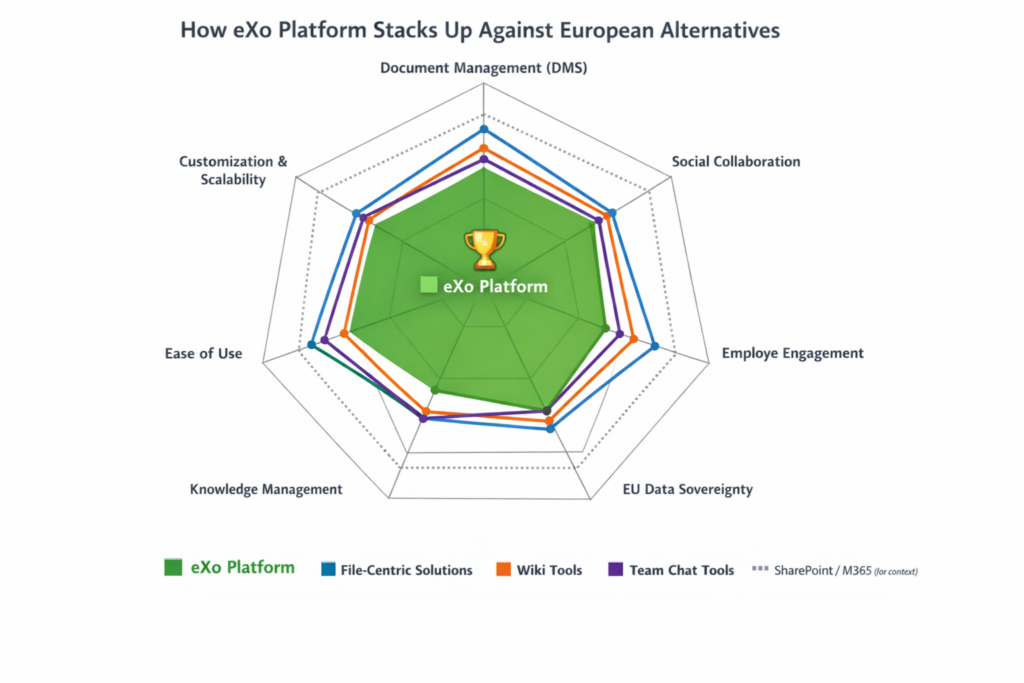
| Feature / Capability | eXo Platform | Nextcloud / vBoxxCloud / Pydio | XWiki / Nuclino / Folderit | Talkspirit / OpenDesk | SharePoint (for context) |
| Document Management (DMS) | ✅ Full-featured: versioning, metadata, structured workflows | ⚪ File-centric only | ⚪ Knowledge-focused | ⚪ Minimal | ✅ Full DMS but tied to M365 ecosystem |
| Social Collaboration | ✅ Activity streams, blogs, wikis, team spaces, recognition | ⚪ Limited (chat apps optional) | ⚪ Minimal social features | ⚪ Strong chat but no full DMS | ⚪ Social features require Teams/Yammer |
| Employee Engagement / Gamification | ✅ Recognition, badges, rewards drive adoption | ⚪ None | ⚪ None | ⚪ None | ⚪ Minimal engagement features |
| EU Data Sovereignty | ✅ French-owned; hybrid cloud / on-prem | ✅ EU-hosted options | ✅ Self-hosted | ✅ French/EU hosting options | ⚪ Cloud may be US-hosted (M365) |
| Knowledge Management | ✅ Wikis, blogs, structured content | ⚪ Limited | ✅ Excellent for structured knowledge | ⚪ Minimal | ⚪ Only with Teams/SharePoint combination |
| Project / Workflow Management | ✅ Integrated workflows & calendars | ⚪ Limited | ⚪ Limited | ⚪ Minimal | ✅ With Planner/Teams |
| Ease of Use / Adoption | ✅ Positive UX, intuitive navigation | ⚪ Modular apps can feel disjointed | ✅ Simple for wikis | ✅ Chat-focused, easy to adopt | ⚪ Steep learning curve; complex UI |
| Customization / Open Source | ✅ Fully modular, Java/Groovy framework, open-source | ✅ Open-source, plugin-based | ✅ Open-source | ⚪ Limited | ⚪ Closed-source; extensibility via low-code only |
| Scalability | ✅ Small teams → Large enterprises | ⚪ Primarily IT-managed | ⚪ Best for small-medium | ⚪ Small-medium teams | ✅ Enterprise-scale with M365 |
| Best Use Case | Full digital workplace, EU-compliant SharePoint alternative | Secure file storage and sync | Knowledge bases and lightweight wikis | Internal communication and team chat | Full Microsoft productivity ecosystem |
Moving away from traditional enterprise suites is no longer just about storing files or managing projects. Modern organizations need a single, unified digital workplace that combines collaboration, knowledge sharing, secure document management, and social engagement, all while keeping data safely in Europe.
A complete solution should offer:
✅ Seamless collaboration with communities, team spaces, and social features
✅ Enterprise-ready scalability and performance
✅ EU-based hosting and strong data privacy
✅ A central hub for documents, knowledge, and teamwork
While some tools excel at specific tasks, secure file storage, project tracking, or knowledge bases, the most effective approach is an all-in-one platform that integrates these capabilities without fragmenting work across multiple apps. Even if setup takes some effort, the benefits of streamlined collaboration, EU compliance, and improved employee engagement make it worthwhile.
Ready to leave SharePoint behind? Try a modern European digital workplace today and contact us to see how it can transform your organization.
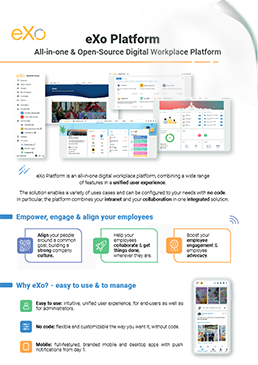

eXo Platform : The Open-Source
Digital Workplace Platform
Download the eXo Platform Datasheet and discover all the features and benefits
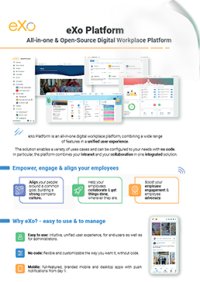

Download the eXo Platform Datasheet and discover all the features and benefits
( Your e-mail address will not be published)

I am a Digital Marketing specialist specialized in SEO at eXo Platform. Passionate about new technologies and Digital Marketing. With 10 years' experience, I support companies in their digital communication strategies and implement the tools necessary for their success. My approach combines the use of different traffic acquisition levers and an optimization of the user experience to convert visitors into customers. After various digital experiences in communication agencies as well as in B2B company, I have a wide range of skills and I am able to manage the digital marketing strategy of small and medium-sized companies.